TESA & Micro TESE in Chennai
Advanced surgical sperm retrieval in Chennai offering renewed hope for men with azoospermia — performed by a fertility specialist with direct IVF laboratory expertise.
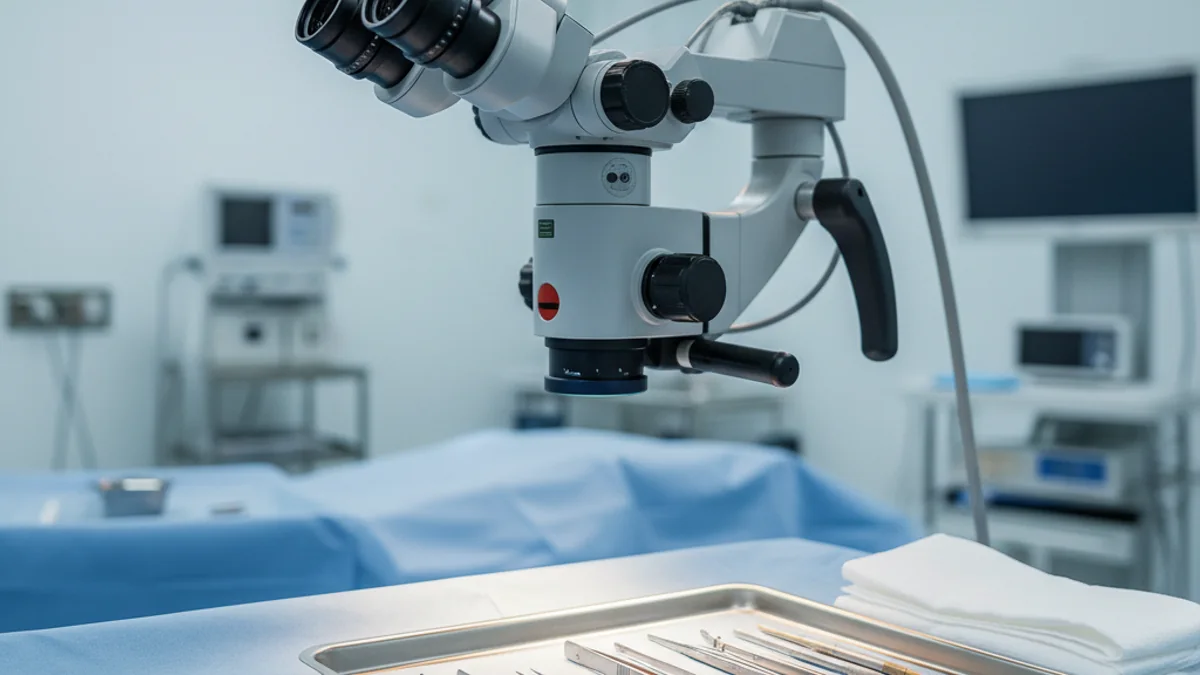
For couples facing male-factor infertility due to azoospermia — the complete absence of sperm in the ejaculate — surgical sperm retrieval procedures such as TESA (Testicular Sperm Aspiration) and Micro TESE (Microsurgical Testicular Sperm Extraction) can be life-changing. These minimally invasive techniques allow sperm to be collected directly from the testes, bypassing the barriers that prevent sperm from reaching the ejaculate. Dr. Rukkayal brings a rare combination of reproductive medicine training and direct IVF laboratory experience, ensuring that retrieved sperm are handled with the utmost precision from the operating room to the embryology lab.
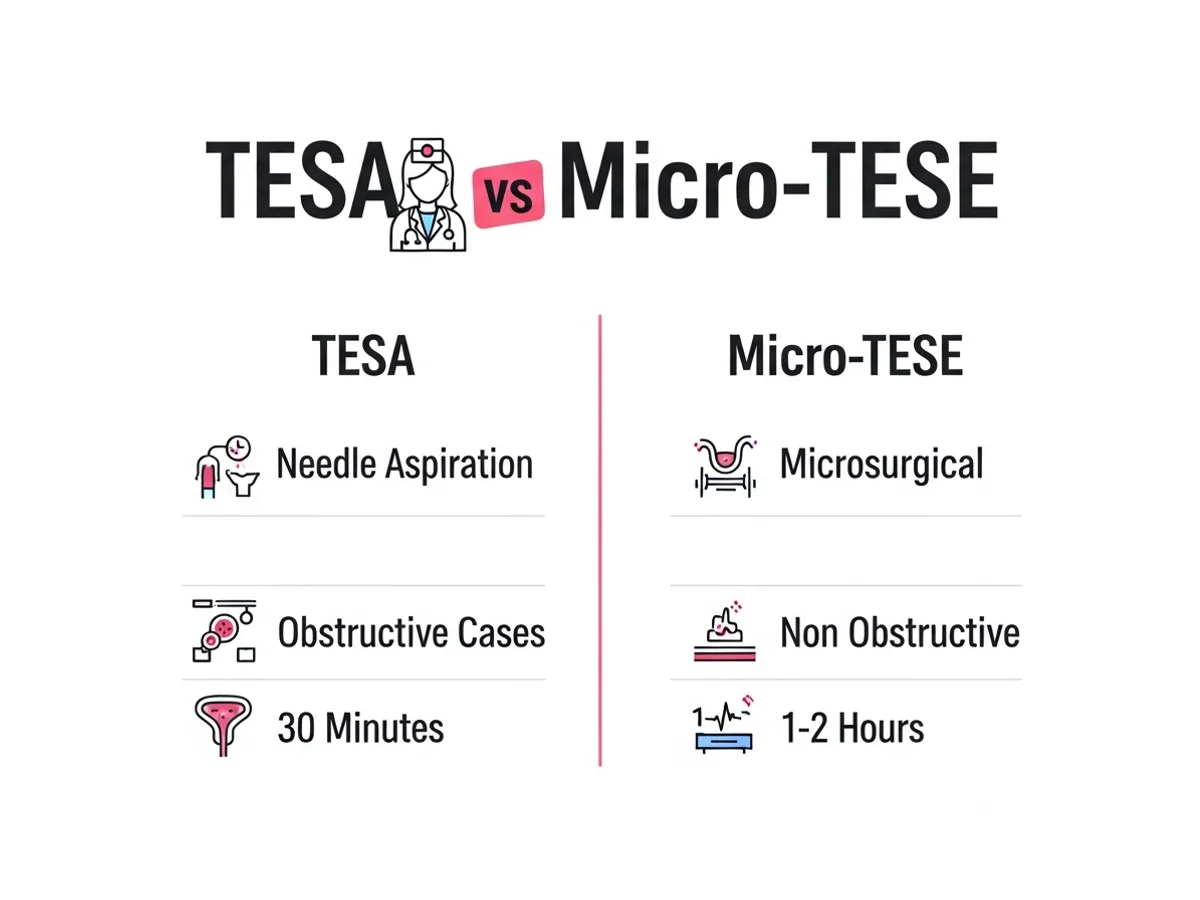
TESA is typically recommended for men with obstructive azoospermia, where a physical blockage — such as from a prior vasectomy, infection, or congenital absence of the vas deferens — prevents sperm from being present in the semen. The procedure involves a fine needle aspiration under local anaesthesia, often completed in under thirty minutes. Micro TESE, on the other hand, is the procedure of choice for non-obstructive azoospermia, a more challenging condition where the testes produce very limited quantities of sperm. Using a high-powered operating microscope, Dr. Rukkayal identifies and extracts the most viable seminiferous tubules, maximising the chance of finding healthy sperm while minimising tissue damage. Both procedures can be coordinated with an ICSI cycle on the same day, so freshly retrieved sperm can be used immediately for fertilisation — eliminating the need for a separate freezing step when timing allows.
500+
Retrieval Procedures
50-60%
Sperm Recovery Rate
When Is Surgical Sperm Retrieval Needed?
You should see a specialist if you experience:
- Semen analysis shows no sperm (azoospermia)
- Blockage prevents sperm from reaching the ejaculate
- Previous vasectomy reversal has been unsuccessful
- Ejaculatory dysfunction makes natural collection impossible
- Non-obstructive azoospermia confirmed on testicular biopsy
Understanding Surgical Sperm Retrieval
Surgical sperm retrieval becomes necessary when sperm cannot be found in the ejaculate despite normal or near-normal hormone levels, or when previous attempts at medical management have been unsuccessful. The distinction between TESA and Micro TESE lies in both technique and indication. TESA uses a fine needle to aspirate tissue from the testis and is most effective when there is a known blockage preventing sperm from entering the ejaculate. The procedure is quick, uses local anaesthesia, and recovery is typically within one to two days. Micro TESE is a more specialised microsurgical technique performed under general anaesthesia. A small incision is made in the testis, and an operating microscope at up to 25x magnification is used to identify the dilated tubules most likely to contain sperm. Studies show Micro TESE retrieves viable sperm in approximately 40 to 60 percent of non-obstructive azoospermia cases — a remarkable outcome for patients previously told they had no options. The retrieved sperm can be used fresh with ICSI on the same day or cryopreserved for future cycles, giving couples flexibility in their treatment planning.
Conditions We Treat
Surgical Sperm Retrieval Options
TESA (Testicular Sperm Aspiration)
A minimally invasive needle-based aspiration of testicular tissue performed under local anaesthesia. Ideal for obstructive azoospermia, it retrieves sperm in a short outpatient visit with rapid recovery.
Micro TESE (Microsurgical Testicular Sperm Extraction)
A precision microsurgical technique using a high-powered operating microscope to identify and extract the most viable sperm-bearing tubules. Recommended for non-obstructive azoospermia where sperm production is severely limited.
Same-Day ICSI Coordination
Surgical retrieval is coordinated with your partner's egg collection so that freshly retrieved sperm can be injected directly into mature eggs via ICSI, maximising fertilisation potential without the need for prior freezing.
Sperm Cryopreservation
When excess sperm are retrieved or when timing with the partner's cycle is not feasible, sperm are cryopreserved using vitrification techniques for use in future ICSI cycles.
Why Choose Dr. Rukkayal?
- Dual expertise in reproductive surgery and embryology — Dr. Rukkayal oversees the journey from surgical retrieval to fertilisation.
- Fellowship in Reproductive Medicine (Germany) with hands-on Micro TESE training at high-volume European centres.
- Same-day coordination between TESA/Micro TESE and ICSI to use freshly retrieved sperm for optimal outcomes.
- Compassionate, transparent counselling that sets realistic expectations based on your specific diagnosis.
- Minimally invasive approach that prioritises tissue preservation and faster recovery.
- Proven track record of finding viable sperm in cases where patients were previously told parenthood was not possible.
- Convenient locations across Chennai — Kilpauk, Mylapore, Thiruvanmiyur, and Pallikaranai — plus visiting consultant at Apollo, Motherhood & Cloudnine hospitals.
Your Treatment Journey
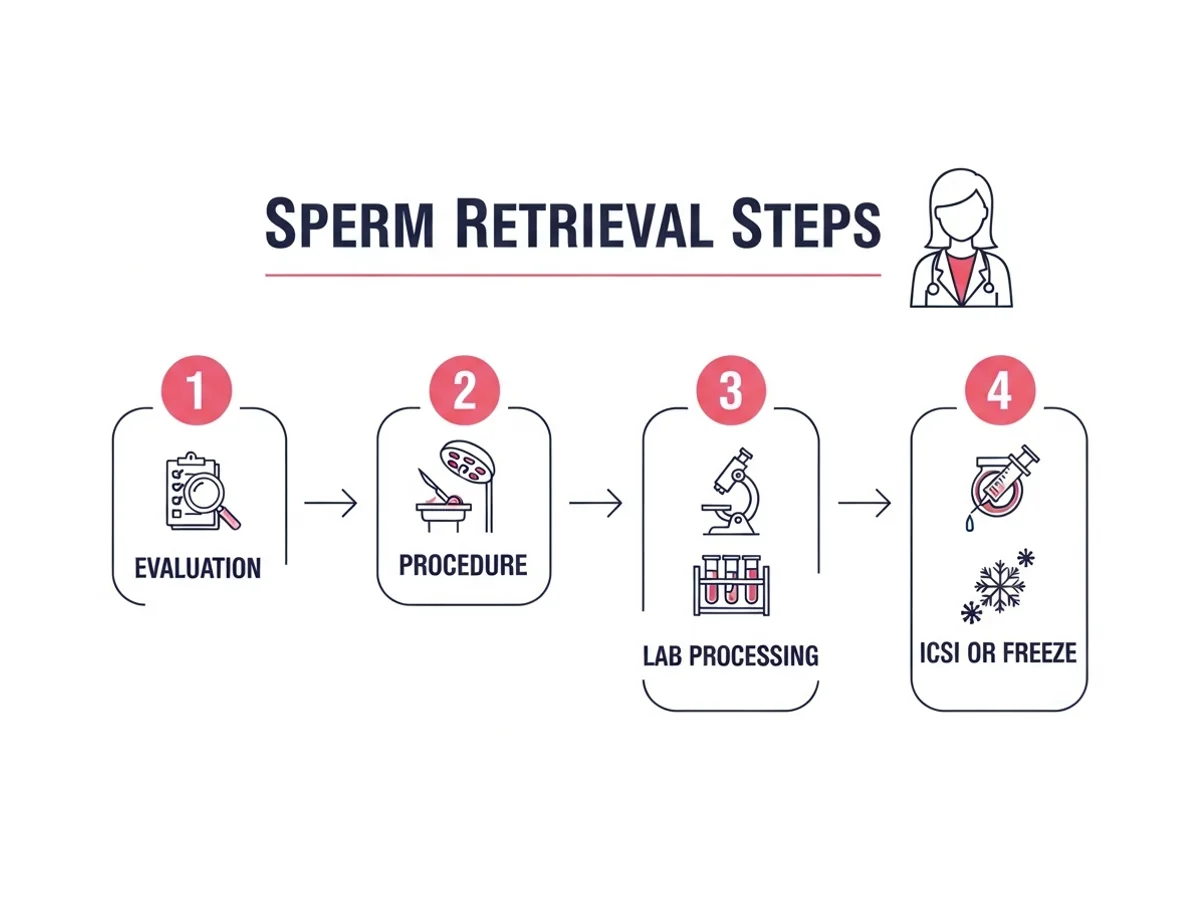
Initial Consultation & Hormonal Assessment
A detailed review of your medical history, semen analysis, hormone panel (FSH, LH, testosterone), and any prior investigations to determine the cause of azoospermia and the most appropriate retrieval method.
Diagnostic Work-Up
Scrotal ultrasound, genetic testing (karyotype, Y-chromosome microdeletion), and additional blood work to differentiate between obstructive and non-obstructive azoospermia and guide surgical planning.
Treatment Planning & Partner Synchronisation
The surgical retrieval date is coordinated with your partner's ovarian stimulation cycle so that ICSI can proceed on the same day if clinically appropriate.
Surgical Sperm Retrieval (TESA or Micro TESE)
The procedure is performed under local or general anaesthesia depending on the technique. Retrieved tissue is immediately examined by the embryology team to confirm sperm availability.
ICSI Fertilisation & Embryo Culture
Selected sperm are injected into mature eggs. Embryos are cultured in a controlled laboratory environment and monitored for development over five days.
Post-Procedure Recovery & Follow-Up
Recovery guidance is provided, with most patients resuming normal activities within two to three days. Follow-up consultations track healing and discuss embryo transfer timing.

Have Questions About Your Treatment?
Book a consultation with Dr. Rukkayal Fathima to understand your options and next steps.
Frequently Asked Questions
Yes. Micro TESE is specifically designed for non-obstructive azoospermia and has a sperm retrieval rate of approximately 40 to 60 percent in published studies. The operating microscope allows identification of the rare tubules that may still contain active sperm production, even when overall testicular function is severely impaired.
TESA is a needle-based aspiration best suited for obstructive azoospermia, where sperm production is normal but a blockage prevents delivery. Micro TESE is a microsurgical approach used when the testis itself produces very limited sperm (non-obstructive azoospermia). Your hormone levels, genetic tests, and clinical history guide the decision.
Absolutely. We routinely coordinate TESA or Micro TESE with the egg retrieval so freshly obtained sperm can be used for ICSI on the same day. This avoids the need to freeze and thaw sperm, which can sometimes reduce viability.
TESA is performed under local anaesthesia and most patients describe mild discomfort similar to a blood draw. You can typically return to desk-based work the next day and resume all normal activities within two to three days. Mild swelling or tenderness is managed with standard pain relief.
Yes. When vasectomy reversal does not restore sperm to the ejaculate, TESA offers an effective way to retrieve sperm directly from the testis. Because the underlying sperm production is usually normal after vasectomy, TESA success rates in this scenario are very high.
While uncommon with proper patient selection, it is possible. If no sperm are found, the tissue samples may be further processed and examined over 24 to 48 hours. We also discuss alternative paths forward, including donor sperm or additional investigations, with full sensitivity and support.
Yes. Sperm retrieved through TESA or Micro TESE can be cryopreserved using advanced vitrification techniques. This is especially useful if your partner is not yet ready for ovarian stimulation or if you wish to store sperm as a backup for future cycles.
We recommend a karyotype analysis, Y-chromosome microdeletion testing, and cystic fibrosis carrier screening (especially if congenital absence of vas deferens is suspected). These tests help predict the likelihood of sperm retrieval and identify any genetic factors that could affect future offspring.
Sperm retrieved through TESA can be used for ICSI on the same day as the retrieval, which is the preferred approach when timing is coordinated with your partner's egg collection. Using fresh sperm typically offers the best viability, though frozen sperm from a prior TESA procedure can also be thawed and used successfully in a later IVF cycle. Dr. Rukkayal routinely plans same-day coordination between retrieval and fertilisation to maximise outcomes.
Recovery after Micro TESE is generally straightforward, though it involves a slightly longer healing period than TESA since it is performed under general anaesthesia with a small testicular incision. Most men can return to desk-based work within three to five days and resume normal physical activity within one to two weeks. Post-operative care includes ice application, scrotal support, and mild pain relief. Dr. Rukkayal provides detailed recovery instructions and schedules a follow-up to ensure healing is progressing well.
Related Specialties
Male Fertility
Comprehensive evaluation and treatment for all causes of male infertility.
ICSI Treatment
Intracytoplasmic Sperm Injection — the fertilisation method used with surgically retrieved sperm.
IVF Treatment
In Vitro Fertilization for couples combining surgical retrieval with assisted reproduction.
Low Sperm Count Treatment
Targeted evaluation and treatment for oligospermia — from lifestyle changes to ICSI.
Related Articles
Azoospermia: Causes, Diagnosis & Treatment
Azoospermia means no sperm in the ejaculate — but it is often treatable. Dr. Rukkayal explains diagnosis, TESA, and Micro TESE in Chennai.
11 min read
Lifestyle Factors Affecting Male Fertility
Explore how lifestyle impacts male fertility in Chennai. Learn changes to boost sperm health and improve chances of conception.
8 min read
Low Sperm Count: Causes & Treatment
Concerned about low sperm count? Learn the causes, diagnosis, and treatment options available in Chennai. Consult Dr. Rukkayal!
12 min read
TESA Micro TESE: What's the Difference?
TESA vs Micro TESE in Chennai: Understand surgical sperm retrieval options, success rates & costs. Expert guidance from Dr. Rukkayal Fathima.
10 min read
Semen Analysis Report: Understanding Your Results
Understand your semen analysis report in Chennai. Normal ranges, interpretation, and next steps explained by Dr. Rukkayal.
10 min read
Varicocele & Male Fertility
Can a varicocele affect fertility, and should it be treated? Dr. Rukkayal explains the impact on sperm and the treatment options in Chennai.
11 min read
Ready to Get Started?
Book a consultation with Dr. Rukkayal Fathima about your treatment options
Book AppointmentBook Consultation
Consultation Booked!
Thank you for reaching out. Our team will contact you shortly to confirm your appointment.
Need urgent help? Call us