PCOS and Fertility: Treatment Options
This article is part of our guide on PCOS Treatment in Chennai — see the full treatment overview, success rates, and costs.
Polycystic Ovary Syndrome (PCOS) is a common hormonal disorder affecting women of reproductive age, and it is a leading cause of infertility. If you're in Chennai and struggling with PCOS and its impact on your fertility, understanding your treatment options is crucial. This blog post will guide you through the various approaches available to help you achieve your dream of parenthood.
What Is PCOS?
PCOS is a complex endocrine disorder characterised by hormonal imbalances, irregular menstrual cycles, and often, the presence of multiple small cysts on the ovaries. The exact cause of PCOS is not fully understood, but it's believed to be a combination of genetic and environmental factors. Insulin resistance and elevated levels of androgens (male hormones) play significant roles in its development. In my clinical experience, PCOS presents differently in each patient, making personalised diagnosis and management essential.
Women with PCOS often experience a range of symptoms, including irregular periods, excessive hair growth (hirsutism), acne, and weight gain. These symptoms can significantly impact their quality of life and, importantly, their fertility. The hormonal imbalances associated with PCOS can disrupt the normal ovulation process, making it difficult to conceive. Approximately 70-80% of women with PCOS experience infertility. Moreover, PCOS increases the risk of complications during pregnancy, such as gestational diabetes and pre-eclampsia.
Diagnosing PCOS typically involves a combination of medical history, physical examination, blood tests to measure hormone levels, and ultrasound imaging of the ovaries. According to the Rotterdam criteria, a diagnosis of PCOS requires the presence of at least two of the following three features: irregular periods, clinical or biochemical signs of hyperandrogenism (excess androgens), and polycystic ovaries on ultrasound. Managing PCOS requires a holistic approach, addressing both the symptoms and the underlying hormonal imbalances. Treatment strategies are tailored to the individual's specific needs and goals, whether it's managing symptoms, improving fertility, or reducing the risk of long-term health complications.
Causes and Risk Factors of PCOS
While the precise cause of PCOS remains elusive, several factors are known to contribute to its development. These include:
- Insulin Resistance: Many women with PCOS have insulin resistance, meaning their bodies don't use insulin effectively. This leads to higher levels of insulin in the blood, which can stimulate the ovaries to produce more androgens. Studies show that up to 70% of women with PCOS have insulin resistance.
- Hormonal Imbalance: Elevated levels of androgens, such as testosterone, are a hallmark of PCOS. These hormones can interfere with ovulation and contribute to symptoms like hirsutism and acne.
- Genetics: There is a strong genetic component to PCOS, meaning it tends to run in families. Women with a mother or sister with PCOS are at a higher risk of developing the condition.
- Inflammation: Chronic low-grade inflammation is often seen in women with PCOS. This inflammation can contribute to insulin resistance and androgen production.
- Environmental Factors: Exposure to certain environmental toxins and lifestyle factors, such as a poor diet and lack of physical activity, may also play a role in the development of PCOS.
Several risk factors increase a woman's likelihood of developing PCOS. These include:
- Family History: Having a close relative with PCOS significantly increases the risk.
- Obesity: While not all women with PCOS are overweight, obesity can exacerbate the symptoms and increase the risk of complications. Women who are obese tend to have more severe insulin resistance and higher androgen levels. NICE guidelines recommend weight loss for women with PCOS who are obese (BMI of 30 or above).
- Insulin Resistance: Women with pre-existing insulin resistance or type 2 diabetes are at a higher risk of developing PCOS.
- Ethnicity: Certain ethnic groups, such as South Asian women, may have a higher prevalence of PCOS.
Understanding these causes and risk factors is essential for early detection and management of PCOS. Women who are at risk should be screened for PCOS and receive appropriate counselling and treatment.
Signs and Symptoms of PCOS
PCOS presents with a wide range of symptoms, and not all women experience the same combination or severity. This variability can make diagnosis challenging. Common signs and symptoms include:
- Irregular Menstrual Cycles: This is one of the most common symptoms of PCOS. Women may have infrequent periods (oligomenorrhea), prolonged periods, or no periods at all (amenorrhea). Irregular cycles are due to infrequent or absent ovulation.
- Hirsutism: Excessive hair growth on the face, chest, back, or abdomen is another common symptom, affecting up to 70% of women with PCOS. This is caused by elevated androgen levels.
- Acne: Severe or persistent acne, often resistant to conventional treatments, can be a sign of PCOS. Androgens stimulate the production of sebum, which can clog pores and lead to acne.
- Weight Gain: Many women with PCOS experience weight gain, particularly around the abdomen. Insulin resistance can make it difficult to lose weight.
- Polycystic Ovaries: On ultrasound, the ovaries may appear enlarged and contain numerous small follicles (cysts). However, it's important to note that not all women with PCOS have polycystic ovaries, and the presence of cysts alone is not sufficient for a diagnosis.
- Infertility: PCOS is a leading cause of infertility in women. The hormonal imbalances disrupt ovulation, making it difficult to conceive.
- Skin Darkening (Acanthosis Nigricans): Dark, velvety patches of skin may appear in the folds of the neck, armpits, or groin. This is often associated with insulin resistance.
- Hair Thinning (Alopecia): Some women with PCOS experience thinning hair on the scalp, similar to male-pattern baldness.
- Mood Changes: Women with PCOS are at a higher risk of experiencing anxiety and depression. The hormonal imbalances and the challenges of living with a chronic condition can contribute to these mood changes.
It's crucial to consult a gynaecologist or fertility specialist if you experience any of these symptoms. Early diagnosis and management can help improve your quality of life and fertility outcomes.
How PCOS Is Diagnosed
Diagnosing PCOS involves a comprehensive evaluation that considers your medical history, physical examination, and various diagnostic tests. As a fertility specialist in Chennai, I often see patients who have been misdiagnosed or have had their PCOS symptoms dismissed. A thorough assessment is key to accurate diagnosis and effective management.
The diagnostic process typically includes:
- Medical History: Your doctor will ask about your menstrual cycles, any symptoms you're experiencing (such as hirsutism or acne), weight history, and family history of PCOS or diabetes.
- Physical Examination: This may include checking your blood pressure, BMI, and looking for signs of hirsutism, acne, or acanthosis nigricans.
- Blood Tests: Blood tests are essential to measure hormone levels, including:
- Androgens: Testosterone, DHEAS, and androstenedione levels are measured to assess for hyperandrogenism.
- Luteinizing Hormone (LH) and Follicle-Stimulating Hormone (FSH): These hormones regulate ovulation. In PCOS, the LH/FSH ratio may be elevated.
- Insulin and Glucose: Fasting insulin and glucose levels are measured to assess for insulin resistance. An oral glucose tolerance test (OGTT) may also be performed.
- Lipid Profile: Cholesterol and triglyceride levels are checked, as women with PCOS are at a higher risk of cardiovascular disease.
- Thyroid Function Tests: To rule out thyroid disorders, which can cause similar symptoms to PCOS.
- Ultrasound: A pelvic ultrasound is used to examine the ovaries and look for polycystic ovaries. The presence of 12 or more follicles measuring 2-9 mm in diameter in at least one ovary, or an increased ovarian volume (greater than 10 mL), is considered polycystic.
The diagnosis of PCOS is based on the Rotterdam criteria, which require the presence of at least two of the following three features:
- Irregular or absent periods (oligo-ovulation or anovulation)
- Clinical or biochemical signs of hyperandrogenism
- Polycystic ovaries on ultrasound
It's important to rule out other conditions that can mimic PCOS, such as thyroid disorders, congenital adrenal hyperplasia, and androgen-secreting tumours. Once a diagnosis of PCOS is confirmed, a personalised treatment plan can be developed to address your specific needs and goals.
Treatment Options for PCOS in Chennai
Managing PCOS and its impact on fertility requires a multifaceted approach, tailored to your individual needs and goals. In my practice across Chennai, I emphasise a combination of lifestyle modifications, medical treatments, and, when necessary, assisted reproductive technologies.
-
Lifestyle Modifications: These are often the first line of treatment for PCOS, particularly for women who are overweight or obese.
- Weight Management: Even a modest weight loss of 5-10% can significantly improve insulin resistance, hormone levels, and ovulation. NICE guidelines support this recommendation.
- Diet: A healthy diet that is low in processed foods, sugary drinks, and refined carbohydrates can help improve insulin sensitivity and promote weight loss. Focus on whole grains, lean protein, fruits, and vegetables.
- Exercise: Regular physical activity, such as aerobic exercise and strength training, can improve insulin sensitivity, promote weight loss, and reduce the risk of cardiovascular disease. Aim for at least 150 minutes of moderate-intensity exercise per week.
-
Medical Treatments:
- Ovulation Induction Medications:
- Letrozole: This is generally considered the first-line medication for ovulation induction in women with PCOS. It works by lowering estrogen levels, which stimulates the release of FSH and promotes ovulation. Studies show letrozole to be superior to clomiphene for clinical pregnancy and live birth rates.
- Clomiphene Citrate (CC): This medication works by blocking estrogen receptors, which also stimulates the release of FSH and LH. While effective, it has a higher risk of multiple pregnancies compared to letrozole.
- Metformin: This medication improves insulin sensitivity and can help regulate menstrual cycles and promote ovulation. It may be used alone or in combination with letrozole or clomiphene. Meta-analysis suggests that co-administration of metformin to gonadotrophin OI does not significantly improve ovulation or pregnancy rates.
- Hormonal Birth Control: Oral contraceptives can help regulate menstrual cycles, reduce androgen levels, and improve symptoms like acne and hirsutism. However, they do not address the underlying cause of PCOS and are not suitable for women trying to conceive.
- Anti-Androgen Medications: These medications, such as spironolactone, can help reduce symptoms like hirsutism and acne by blocking the effects of androgens.
- Inositol Supplements: Myo-inositol and D-chiro-inositol are isomers of inositol that have been shown to improve insulin sensitivity and hormone levels in women with PCOS. Some studies suggest that inositol supplementation may improve ovulation and pregnancy rates.
- Ovulation Induction Medications:
-
Assisted Reproductive Technologies (ART):
- Intrauterine Insemination (IUI): This involves placing sperm directly into the uterus, increasing the chances of fertilisation. IUI is often combined with ovulation induction medications.
- In Vitro Fertilisation (IVF): This is the most effective ART technique and involves retrieving eggs from the ovaries, fertilising them with sperm in a laboratory, and then transferring the resulting embryos into the uterus. IVF is often recommended for women with PCOS who have not been successful with other treatments or who have other fertility factors.
- Ovarian Drilling: This surgical procedure involves making small holes in the ovaries using laparoscopy. It can help lower androgen levels and improve ovulation. However, it is not commonly performed due to the availability of effective medical treatments.
Here is a comparison table of common PCOS fertility treatments:
| Treatment | Description | Success Rate (approximate) | Cost (approximate in INR) | Risks |
|---|---|---|---|---|
| Lifestyle Modifications | Weight loss, healthy diet, regular exercise | Varies widely | Minimal | None |
| Letrozole | Ovulation induction medication | 10-20% per cycle | 5,000 - 10,000 | Multiple pregnancies (twins), hot flashes |
| Clomiphene Citrate (CC) | Ovulation induction medication | 8-15% per cycle | 3,000 - 8,000 | Higher risk of multiple pregnancies (twins or more), hot flashes, mood changes |
| Metformin | Insulin-sensitising medication | Indirectly improves fertility | 1,000 - 3,000 | Gastrointestinal upset (nausea, diarrhoea) |
| IUI | Sperm placed directly into the uterus, often combined with ovulation induction | 10-20% per cycle | 15,000 - 30,000 | Multiple pregnancies, mild cramping |
| IVF | Eggs retrieved, fertilised in lab, embryos transferred to uterus | 40-65% per cycle | 150,000 - 250,000 | Ovarian hyperstimulation syndrome (OHSS), multiple pregnancies, ectopic pregnancy, emotional stress |
The choice of treatment depends on various factors, including your age, the severity of your PCOS, other fertility factors, and your personal preferences. It's essential to discuss all your options with your fertility specialist to make an informed decision.
Lifestyle Changes and Prevention
While PCOS cannot be entirely prevented, adopting certain lifestyle habits can significantly reduce the risk of developing the condition or manage its symptoms effectively. These include:
- Maintaining a Healthy Weight: Obesity is a major risk factor for PCOS, so maintaining a healthy weight through diet and exercise is crucial.
- Eating a Balanced Diet: Focus on whole grains, lean protein, fruits, and vegetables. Limit processed foods, sugary drinks, and refined carbohydrates.
- Regular Exercise: Aim for at least 150 minutes of moderate-intensity exercise per week. This can help improve insulin sensitivity, promote weight loss, and reduce the risk of cardiovascular disease.
- Managing Stress: Chronic stress can worsen PCOS symptoms. Practice stress-reducing techniques such as yoga, meditation, or deep breathing exercises.
- Getting Enough Sleep: Poor sleep can disrupt hormone levels and worsen insulin resistance. Aim for 7-8 hours of sleep per night.
- Supplementation: As previously mentioned, certain supplements like myo-inositol, vitamin D, and omega-3 fatty acids may improve PCOS symptoms and fertility. A recent Mendelian Randomization study (September 2024) suggests that supplementation with omega-3 fatty acids may reduce PCOS risk. However, it's crucial to discuss any supplements with your doctor before starting them. Vitamin D supplementation may increase FSH levels. Supplementation with 4,000 IU/day of vitamin D for 2 months significantly increased serum 25-(OH) D3 levels and markedly decreased the LH/FSH ratio, LH, and T concentrations, and improved pregnancy rates following ovulation induction.
These lifestyle changes can not only help manage PCOS symptoms but also improve overall health and well-being.

When to See a Fertility Specialist
If you have been diagnosed with PCOS and are struggling to conceive, it's essential to seek the guidance of a fertility specialist. In my clinical experience, early intervention can significantly improve your chances of a successful pregnancy. You should consider seeing a fertility specialist if:
- You have been trying to conceive for 6-12 months without success.
- You have irregular or absent periods.
- You have other symptoms of PCOS, such as hirsutism or acne.
- You have a family history of PCOS or infertility.
- You have had multiple miscarriages.
A fertility specialist can conduct a thorough evaluation to assess your fertility status and develop a personalised treatment plan. This may involve ovulation induction, IUI, IVF, or other assisted reproductive technologies. See our full approach to PCOS treatment in Chennai. For personalised guidance, book a consultation with Dr. Rukkayal Fathima.
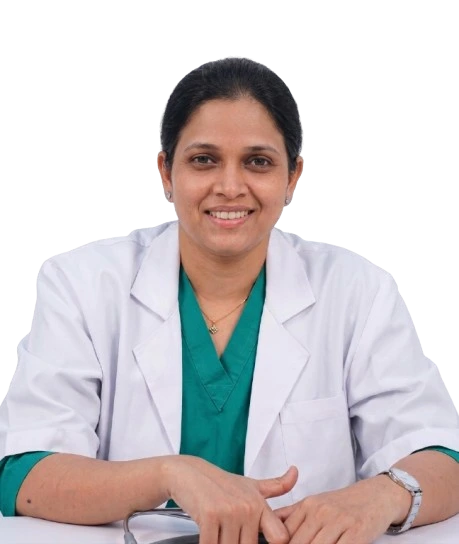
Dr. Rukkayal Fathima
MBBS, MS (OBG), MRCOG (UK), FRM (Kiel University)
Fertility Specialist, Obstetrician, Gynecologist & Laparoscopic Surgeon
Dr. Rukkayal Fathima is one of India's leading Gynaecologists and the best fertility doctor in Chennai. She has 12+ years of experience and treated 3000+ patients. She specialises in IVF, ICSI, TESA/Micro TESE, IUI, Early Pregnancy Scan, Menopause advice, and Gynaecological surgeries. She is a Co-founder & Director of Yaal Fertility and Women's Centre, the Best Fertility Center in Chennai.
Have Questions About PCOS Treatment?
Every situation is unique. Dr. Rukkayal Fathima provides personalised, evidence-based guidance across multiple locations in Chennai.
Frequently Asked Questions
PCOS can disrupt ovulation, making it irregular or absent. High levels of androgens can also interfere with egg development and implantation. Insulin resistance, common in PCOS, can further impair fertility. These factors collectively reduce the chances of natural conception.
Generally, letrozole is considered the first-line medication for ovulation induction in women with PCOS. It helps to stimulate the ovaries to release an egg. Lifestyle modifications such as weight loss and exercise are also crucial, even before starting medication.
Yes, many women with PCOS can conceive naturally, especially with lifestyle changes like weight loss and a healthy diet. Even a modest weight loss of 5-10% can improve ovulation. However, some may require medical assistance to improve their chances.
The cost varies depending on the treatment. Ovulation induction with medication like letrozole is typically less expensive (₹5,000 - ₹15,000 per cycle) than IVF (₹150,000 - ₹250,000 per cycle). The exact cost depends on your individual needs and the specific clinic.
Common risks include multiple pregnancies (twins or more) with ovulation induction, and ovarian hyperstimulation syndrome (OHSS), especially during IVF. These risks are carefully managed through monitoring and tailored treatment protocols. Your doctor will discuss these in detail.
No, IVF is not the only option. Many women with PCOS conceive with ovulation induction, IUI, or lifestyle changes. IVF is usually recommended if other treatments are unsuccessful or if there are other fertility factors involved.
While not a replacement for medical treatment, certain supplements like myo-inositol, vitamin D, and omega-3 fatty acids may improve PCOS symptoms and fertility. However, it's crucial to discuss any supplements with your doctor before starting them, as they can interact with medications.
Consult Dr. Rukkayal in Chennai
Available at 4 fertility clinic locations across Chennai. Walk-ins welcome; appointments preferred.
No. 747, Poonamallee High Road, Alagappa Nagar, Kilpauk, Chennai – 600 010
No. 149/1, Luz Church Road, Bhaskarapuram, Mylapore, Chennai – 600 004
No. 95, Plot No. 1, Velachery Main Road, Devi Karumariamman Nagar, Pallikaranai, Chennai – 600 100
Dr. Rukkayal is also a visiting consultant at Apollo Hospital, Motherhood Hospital, Cloud Nine Hospital, MGM Hospital, Metha Hospital and St. Isabel Hospital in Chennai. View all clinic locations